The Past of Galle
Galle Fort is a fort built by the Portuguese in the Galle region of Sri Lanka. Currently, two gates are used to enter the fort. Many government office buildings have been maintained along the perimeter of the fort to this day, but they are currently being gradually removed. Galle Fort, a World Heritage Site, is a beautiful and ancient site. Galle Fort is located on the southwestern coast of Sri Lanka. It was built by the Portuguese in 1588. It was later extensively renovated by the Dutch in the 17th century. It is a marvelous creation gifted to the world by the Portuguese. The United Nations has recognized Galle Fort as having archaeological value. It is a fine example of Dutch architecture.Also known as the Dutch Fort or Galle Wall. The Dutch Fort was renovated. Galle Fort is a major tourist attraction in Sri Lanka. It is an architectural and archaeological legacy of Sri Lanka.
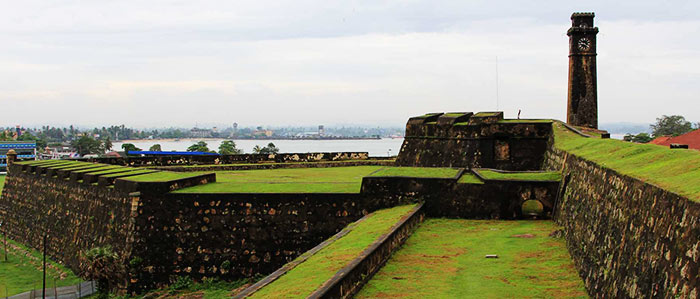
The Clock Tower of Galle Fort
The Galle Clock Tower is located within the Galle Fort in Galle, Sri Lanka. The Clock Tower is alandmark and overlooks the central Moon Bastion, on the site of the former guard room. The clock tower was constructed in 1883, paid for through public subscriptions by the people of Galle, in recognition of Dr. P. D. Anthonisz. It was based on a design by John Henry Gues Landon.This tower erected by public subscription to the perpetual memory of Peter Daniel Anthonisz in testimony of his skill and benevolence in relieving human suffering.
.jpg)
Construction of the Galle Fort.
Galle Fort is a fort built by the Portuguese in the Galle region of Sri Lanka. It was later renovated by the Dutch in the 17th century and is now 400 years old. Currently, two gates are used to enter the fort. Many government office buildings have been maintained along the fort wall to the present day. However, they are being gradually removed. The Galle Fort, which has been designated as a World Heritage Site, is a beautiful and ancient object. The Galle Fort is located on the southwestern coast of Sri Lanka. It was built by the Portuguese in 1588. Later, it was extensively renovated by the Dutch in the 17th century. It is a fine example of Dutch architecture. Also known as the Dutch Fort or the Galle Wall. The Dutch Fort has been renovated. The Galle Fort is a major tourist attraction in Sri Lanka. It is an architectural and archaeological legacy of Sri Lanka.
The Present Day of Galle.
Galle is the capital city of the Southern Province of Sri Lanka. It is spread over an area of 6.5 square miles. It is also designated as a World Heritage Site by UNESCO. Galle has been known as a trading city since ancient times. The port of Galle is known as a unique port due to its location in the Indian Ocean, and some scholars believe that Galle may be the ancient Biblical city of Tarshish, the great trading city of South Asia.
_fort.jpg)
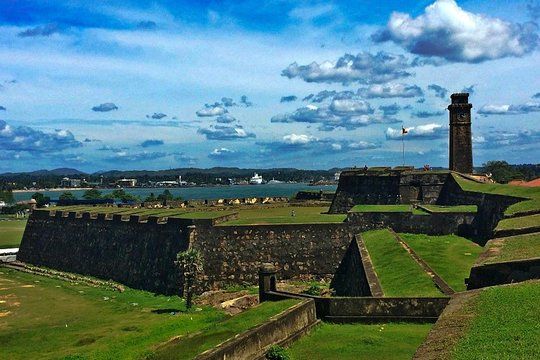
Galle Fort.
Galle Port is a natural harbor located on the southwestern coast of Sri Lanka. Today, Galle Port serves as one of the most active regional ports in the country. It is also the only Sri Lankan port that provides facilities for pleasure boats. The International Yachting Association has recognized Galle Port as a world super tourist attraction.
The Heritage of Galle Fort.
The city of Galle and its walls are included in the UNESCO World Heritage List. The fort belongs to the European tradition and was built during the Portuguese and Dutch eras. The city and the architectural ruins inside it are considered a masterpiece. Elements of the Portuguese, Dutch and British eras of Sri Lanka are visible in the Galle Fort. UNESCO designated this site as a World Heritage Site in 1988.
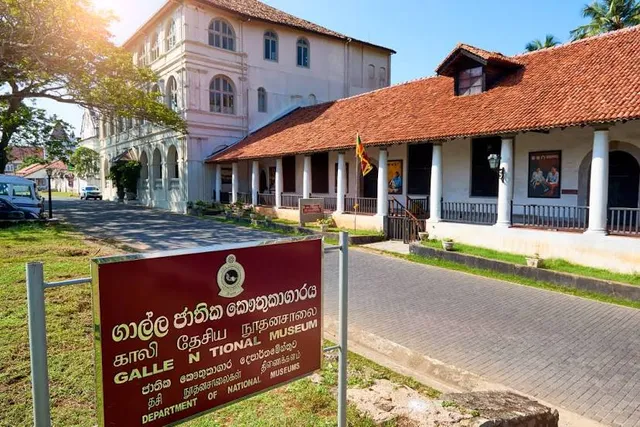
Galle Fort Museum.
It is the only museum in the South Coast region that educates the public on marine biology and anthropology. The museum is located in the old Dutch warehouse built in 1671 in Galle Fort and was opened to the public on 9 May 1992. The National Coastal Museum is located inside the Galle Fort.The museum was completely destroyed by the tsunami on 26 December 2004 damaging all its exhibits. The Government of the Netherlands has provided financial assistance for the renovation of the Maritime Museum under the Sri Lanka Netherlands Cultural Cooperation Programme. After 3 years of renovation work, the National Maritime Museum is now open to the public.